

Welcome—truly welcome—to this digital space of images and quiet intention. I have made it for you, because no creation fully exists until it is seen, and it is the audience who completes the work. Art does not simply occupy space; it shifts how we perceive it. It heightens feeling, sharpens attention, and gently rearranges the way the world settles in the mind. A line leads the eye almost without asking. Colour adjusts the emotional temperature of a moment. Rhythm—through repetition, pause, and sequence—creates expectation. Even simple drawings can lower stress, lift the mood, or offer a subtle sense of companionship. Illustration and comic art, in particular, combine image, timing, and suggestion, engaging emotion and imagination at the same time. Comic art is especially powerful because it invites participation. Meaning does not sit fully formed on the page; it emerges in the spaces between panels. The reader animates still images, supplies movement, fills gaps with memory and empathy. This quiet collaboration stimulates creativity and flexible thinking. Humor, exaggeration, and stylisation—central tools of comics—also soften difficult ideas, allowing them to be approached playfully rather than resisted. Comics make room for curiosity, lightness, and emotional resilience.
The earliest images—cave paintings, carved figures, decorated objects—were woven into ritual, storytelling, and daily life. As societies grew more complex, art gradually entered systems of exchange. In ancient civilizations, artisans created works for temples, rulers, and communities, often compensated with food, shelter, or status. Later, in Greece and Rome, workshops emerged where artworks could be commissioned and traded more openly, forming early versions of an art market.
Illustration and sequential imagery entered commerce early as well. Manuscript illuminations were prized commissions; later, woodcuts, broadsheets, and satirical prints became some of the first mass-produced visual stories. Affordable and widely circulated, they placed narrative images into everyday hands. These works were direct ancestors of modern comics, expanding access to visual storytelling. Yet art has never been only a commodity. Its real value lies in what it does rather than what it costs. Art strengthens intellect, nourishes imagination, and encourages thought beyond rigid structures. Comic art, in particular, reminds us that creativity can be playful, imperfect, and accessible—that depth does not require heaviness.
From the first handprints pressed onto stone walls to the illustrated pages we scroll through today, art has served the same enduring purpose: to make life more vivid, more bearable, and a little more strange—in the best possible way.
Yours, nonchalantly,
E. Limiti
★★★★★
Rate me

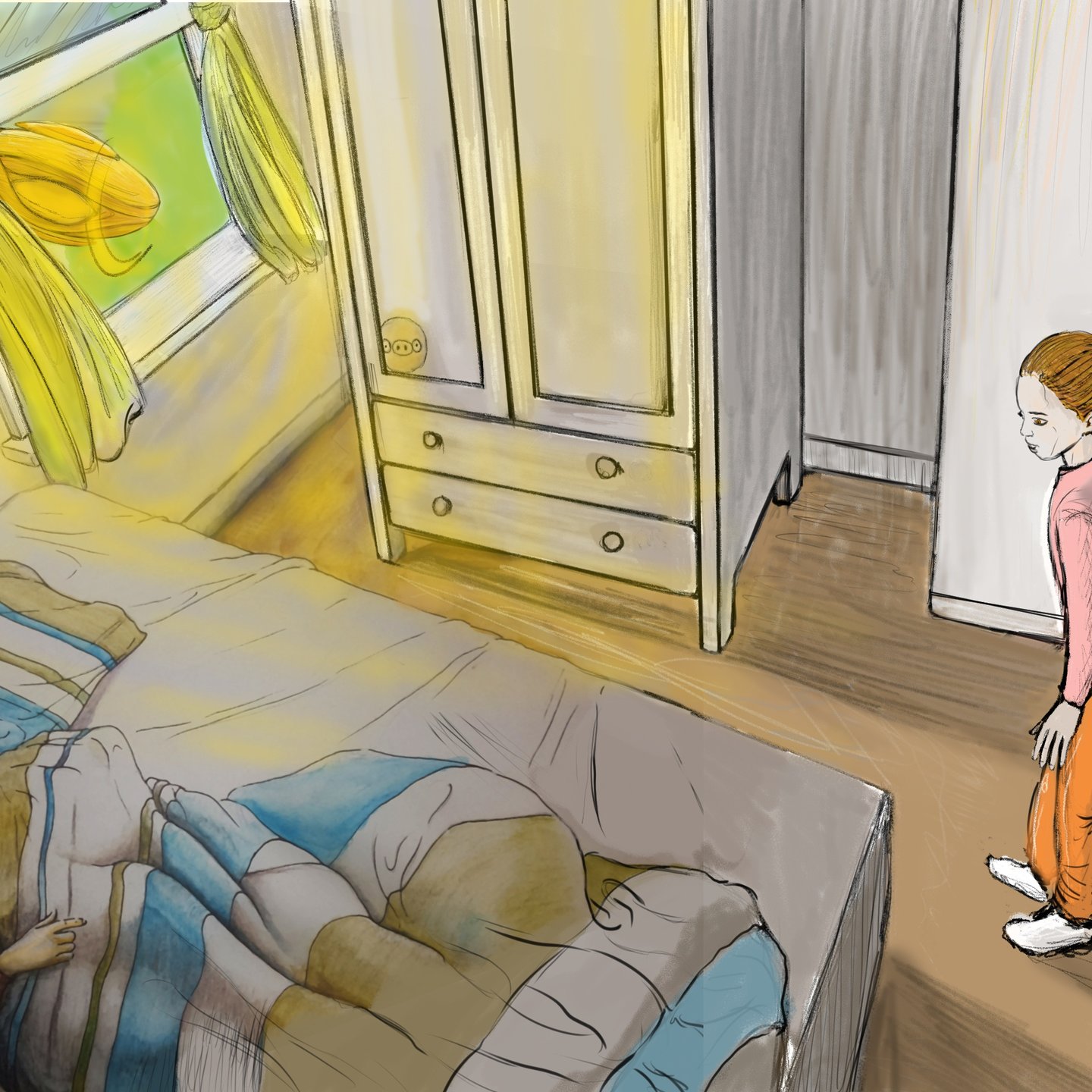
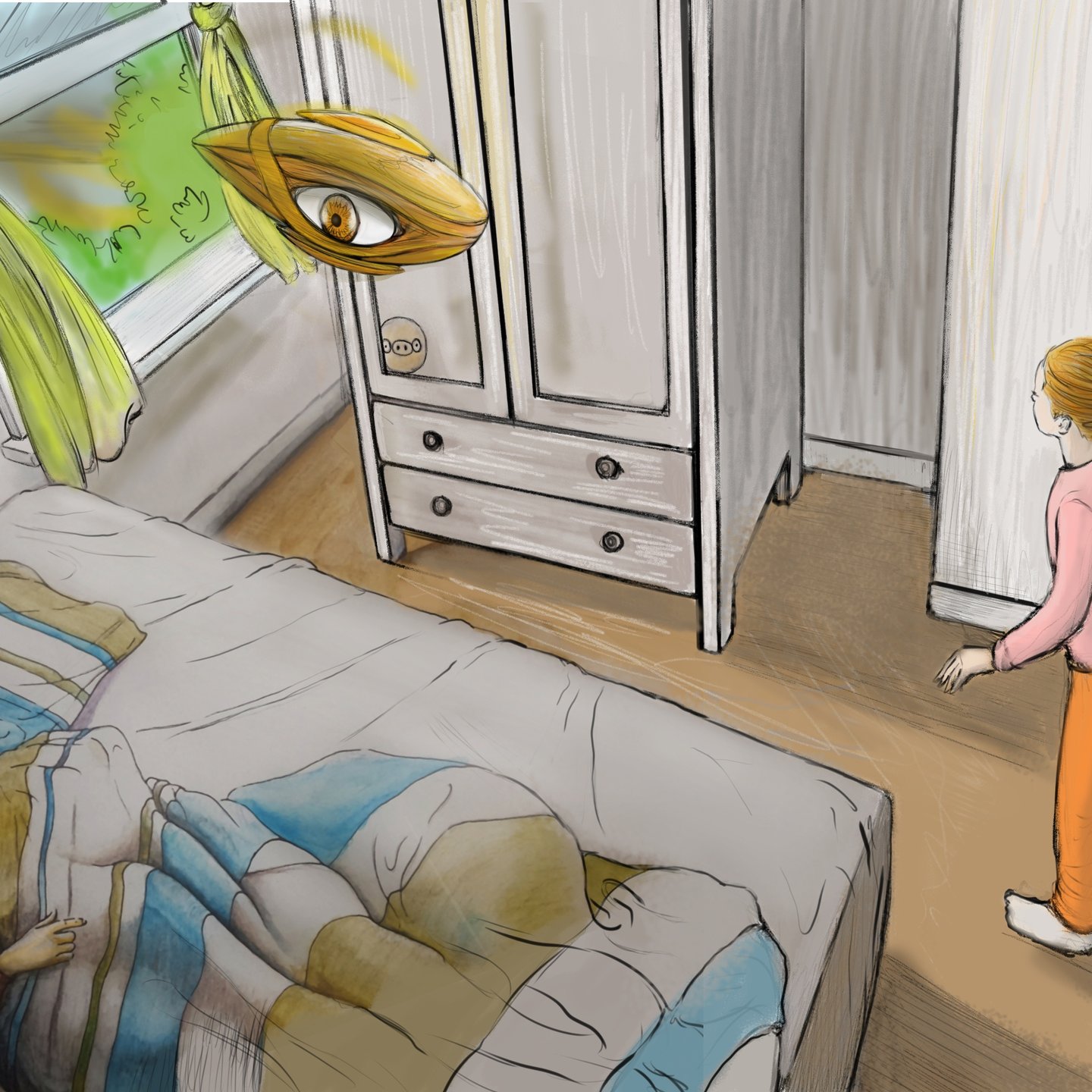
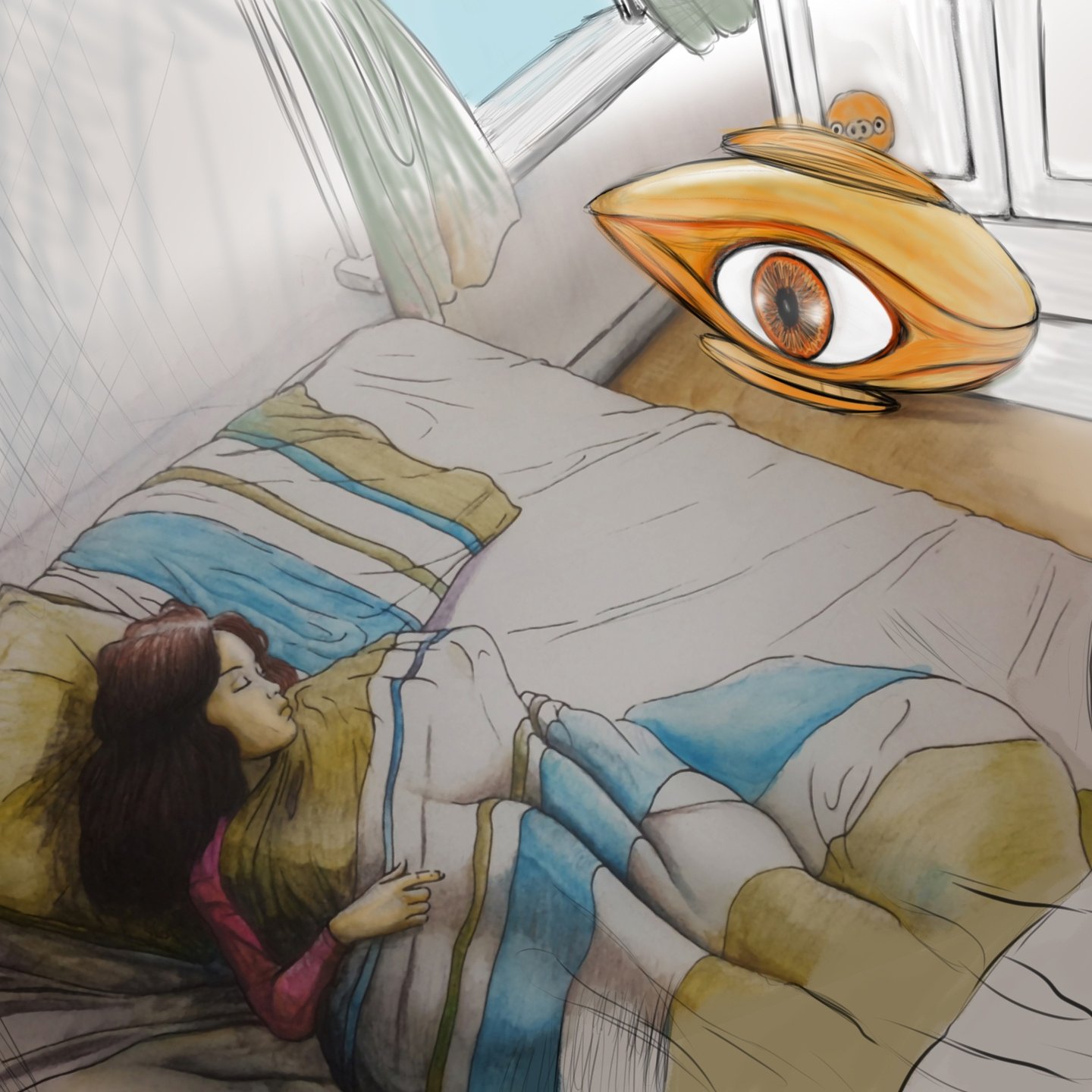
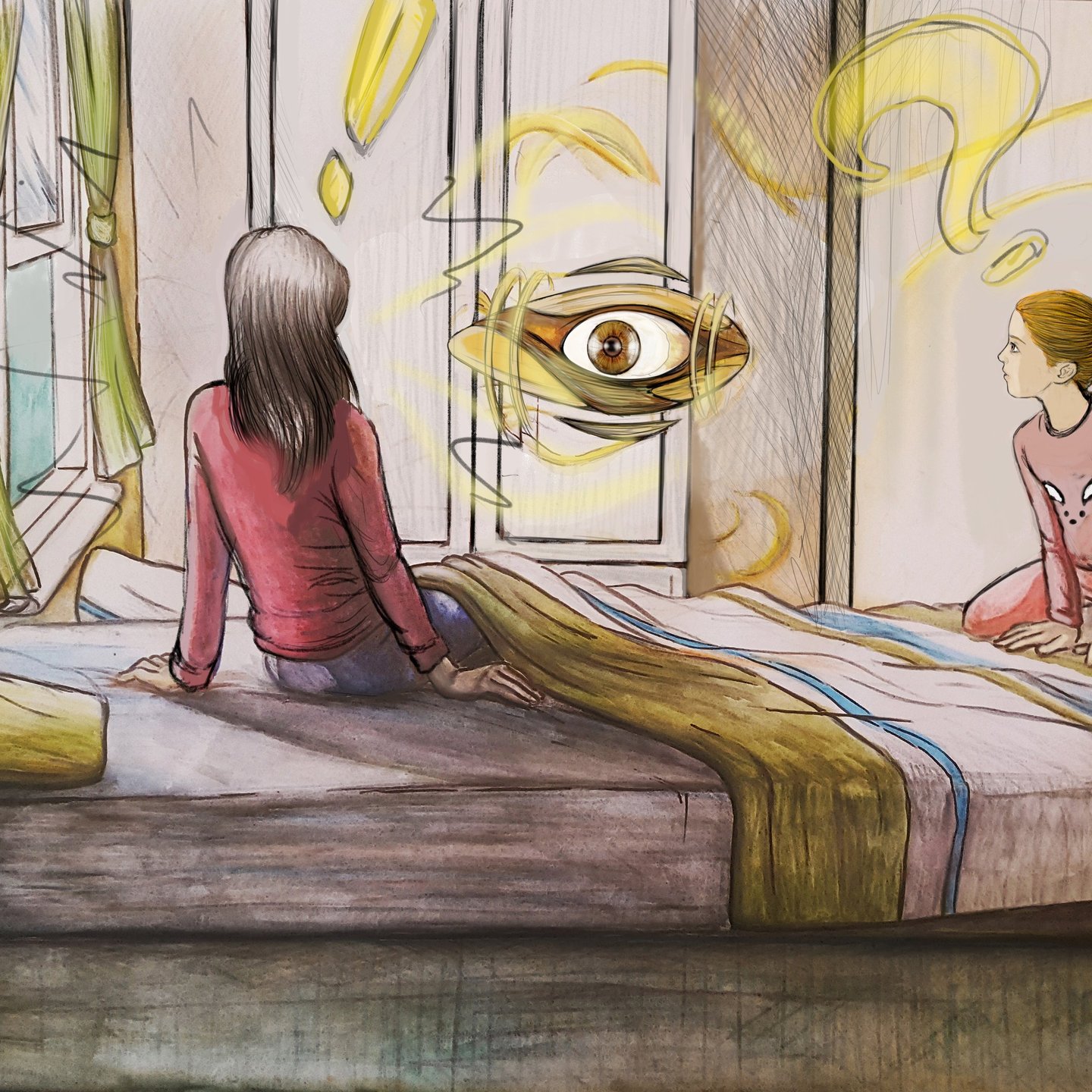


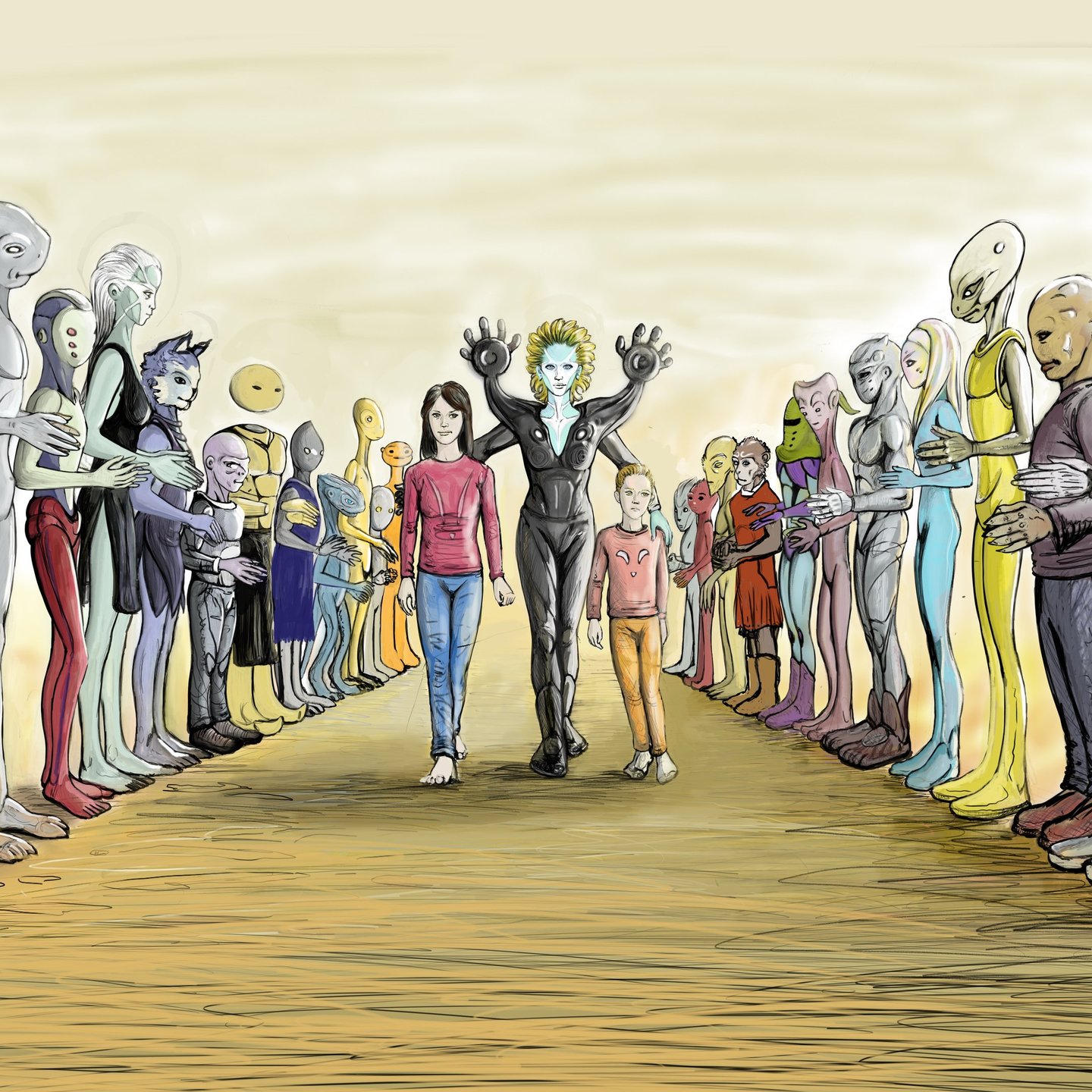






imaginative art is
Through our illustrated narratives and playful designs, we invite you to partake in the luxurious interest of it all. For what is imaginative art, if not a rare refuge from the stern machinery of practical existence? It stands as a testimony to the untamed recesses of the human spirit. While the world demands productivity, art insists upon delight. It conjures new realities, reminding us that the boundaries of experience are not confined to the tangible. In a well-drawn line or a whimsical tale, we discover the liberty to dream, to speculate, and to transcend the oppressive certainty of facts. Truly, Art is an actual necessity, for the soul and for the tangible commodities of everyday life. Imaginative art it is not disjointed from practical study and the creation of the things of architecture and engineering that give form to our infrastructure and buildings so you can even take imagination as seriously as philosophy if you dare, particularly considering how important philosophy is in school!
Imaginative art whispers to us of freedom. It permits us to be both the architect and the wanderer, to chart impossible landscapes and people them with figments of thought. In this act of creation, we partake in a rebellion against the mundane—a rebellion that is neither destructive nor bitter, but joyous and without pretense. And in such joy, there lies a deeper truth: that even in folly, we reaffirm the essential dignity of the human spirit.
So, dear visitor, should you wish to purchase an item or a memento bearing the imprint of our whims, know that you are engaging not merely in commerce but in the perpetuation of delightful joy of participation in what you like.
Yours nonchalantly,
The Limiti Studio Collective